Borderlands: The Pre-Sequel, Low-Gravity Loot Shooter on Elpis
Borderlands: The Pre-Sequel, developed by Gearbox Software, is an action-RPG shooter that explains Handsome Jack's origins. Players fight across Elpis using the franchise 'shoot 'n' loot' loop, combining character skill trees, four new Vault Hunters, and multiplayer co-op for coordinated combat. Low-gravity combat, oxygen management, laser and Cryo weaponry, and the Grinder crafting system shape combat and progression with varied firing patterns. Fans of looter-shooters and cooperative action-RPG players who value character builds and series lore, and dark humor.
A first-person looter-shooter that retools the series on Elpis
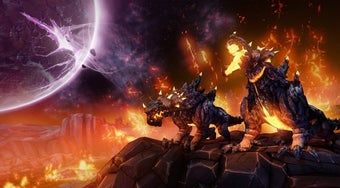
In this game, combat centers on the franchise's established shoot 'n' loot loop while shifting the setting to Elpis, the moon of Pandora. The game positions players as four Vault Hunters in a narrative bridge to Borderlands 2 and presents campaign missions that mix firefights and objectives. Progression relies on skill trees and randomized loot, so players focus on gear upgrades and class builds to advance.
Co-op and class design encourage role combinations
Within multiplayer sessions, class design supports distinct roles and online parties of up to four players. The initial roster includes Athena, Wilhelm, Nisha and Claptrap; Claptrap's VaultHunter.exe action skill produces random combat effects. Players can combine different skill trees in co-op to create synergies for crowd control or single-target damage. The developer also includes multiplayer for coordinated encounters and shared loot, which encourages team composition choices during tougher encounters.
Low-gravity and oxygen systems change encounter pacing
On Elpis, low-gravity physics and an oxygen economy alter movement and encounter design. Players perform higher jumps, float during firefights, and execute slam attacks from above. O2 Kits supply oxygen and power jetpack boosts, and they must be refilled at oxygen geysers or air domes. Weapon classes add variety: lasers offer continuous or burst fire, and Cryo weapons freeze then shatter targets, producing tactical options beyond raw damage numbers.
Loot, the Grinder and progression drive replay potential
Across sessions, progression and repeat play rely on randomized drops, skill trees and a crafting utility called the Grinder. The Grinder lets players combine lower-tier loot to yield higher-quality gear, which changes how players pursue upgrades across sessions. This pursuit of incremental upgrades and class synergies keeps players returning for different loadouts and challenges rather than a single linear campaign.
Best suited to players who accept an expansion-style entry
Critical reception was generally positive, and many reviewers highlighted the game's contributions to the series' lore; however, several observers described the release as closer to a large-scale expansion than a full sequel. Players who want tighter narrative ties and incremental system changes will find value; those seeking sweeping innovation should temper expectations. It suits players who prefer evolutionary installments that deepen existing series threads.